Nov. 4, 2025 / One year after
Tino
The streets became rivers in a matter of hours. A year on, Metro Cebu knows why it flooded. The harder question is whether anything will be built before the next storm.
The water came fast
Much of the rain fell on mountain ridges. Cebu’s narrow shape and steep terrain sent it straight down into low-lying communities, through rivers narrowed by silt, garbage and encroachments.
Rain dumped on Metro Cebu in a single day
What the metro usually gets in a whole month
For floodwaters to reach Mandaue and Talisay
Of rainfall that concrete, asphalt and roofs can turn into runoff
Cebu’s flood test
A YEAR after typhoon Tino turned streets into rivers, Metro Cebu’s hardest question is no longer why it flooded. Engineers, planners and disaster officials have offered explanations. The question now is whether those lessons have become funded projects before the…
Read the chapter
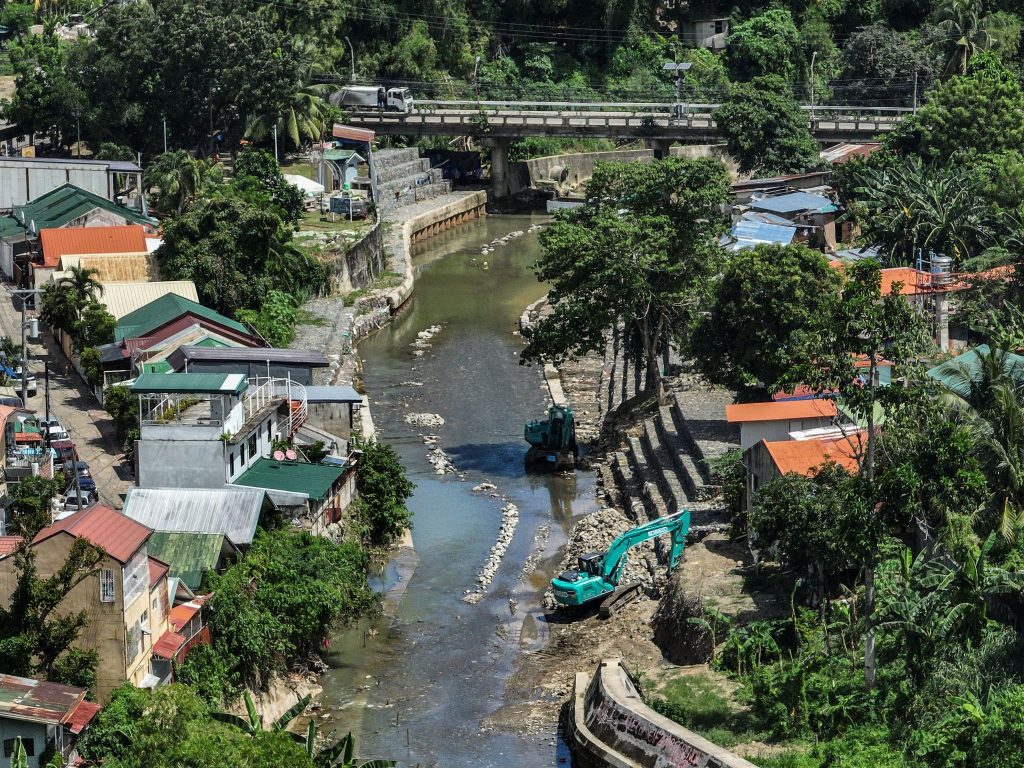
“Let us save ourselves first. We can no longer save anything else.”Nelly Bernales, Barangay Bacayan, to her husband as the water rose
Talisay after Tino. Photo: Juan Carlo de Vela
Floodwaters are gone, fear stays
THE homes have been repaired, and classes have resumed, but the fear of another devastating flood remains for families in Bacayan and Lusaran, Cebu City. Nearly a year after typhoon Tino struck Cebu on Nov. 4, 2025, residents continue to…
Read the chapter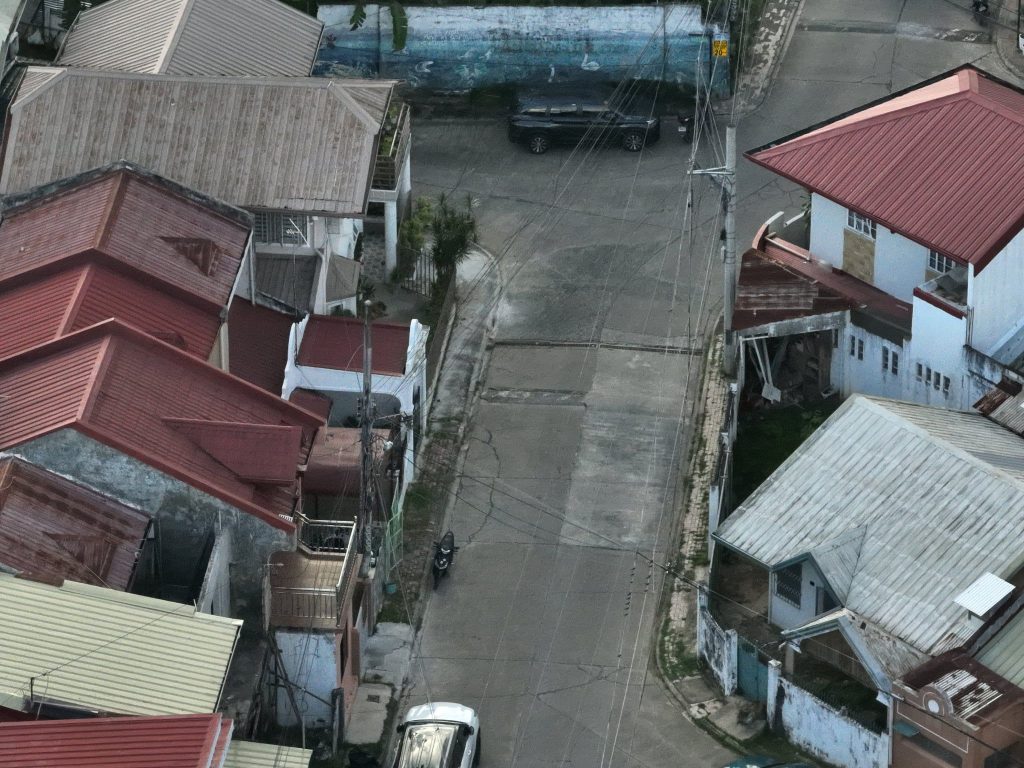
Cebu City still flood-proofing a year after Tino
A YEAR after typhoon Tino brought deadly flooding to Cebu City, upgrades to flood warning systems and plans for a dedicated evacuation facility remain unfinished, while housing reconstruction is only 60 to 70 percent complete. Mayor Nestor Archival acknowledged on…
Read the chapter
Tino rehab needs P11B
A YEAR after typhoon Tino killed 143 people and devastated communities across Cebu, the Province faces at least P11.174 billion in rehabilitation needs, with several priority infrastructure projects still undergoing procurement. The Cebu Provincial Government reported spending nearly P300 million…
Read the chapter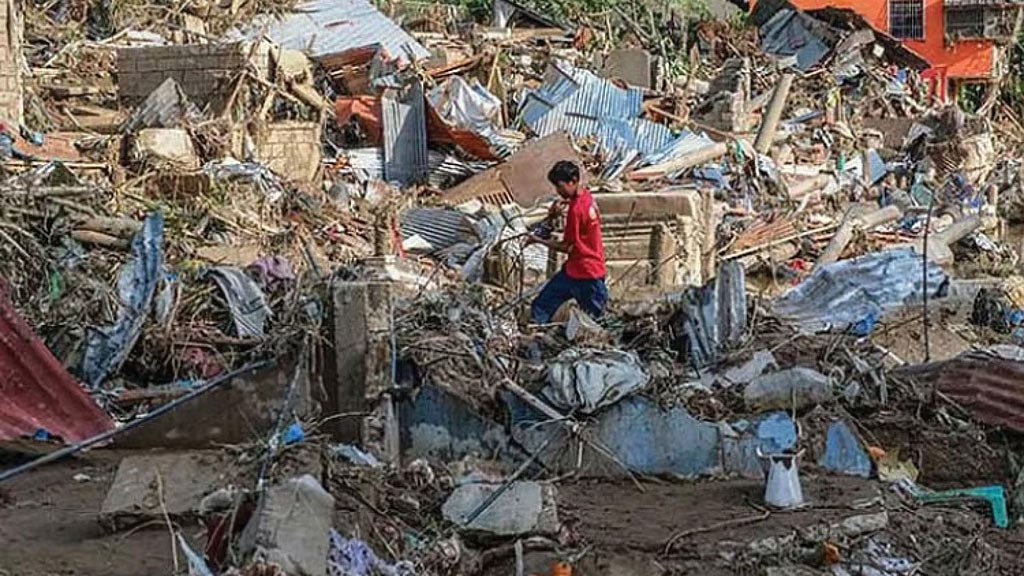
La Paloma’s flood trap
LA PALOMA Subdivision in Barangay Tisa, Cebu City, escaped severe flooding during typhoon Tino in November 2025. But on July 30, 2026, without a typhoon, water rose to chest level inside homes. “During typhoon Tino, we did not experience that…
Read the chapter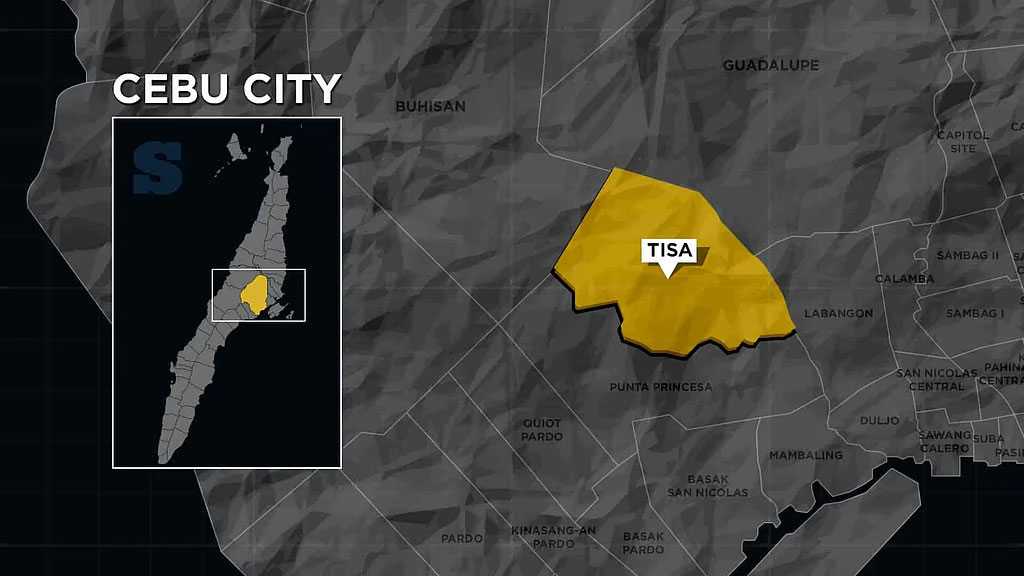
I can no longer sleep whenever it rains. I start preparing our things because we do not know what could happen.
They kept calling out for help, asking to be rescued, but I was afraid because I also had my own family to keep safe.
If you tell us to evacuate, please bring us a vehicle.
Then & now
The same places, photographed after the flood and again this year. Drag the yellow handle to compare.
BACAYAN AFTER TINO & BACAYAN today

 BeforeAfter
Talisay
TALISAY AFTER TINO & TALISAY today

 BeforeAfter
Villa del Rio
TALISAY AFTER TINO & TALISAY today

 BeforeAfter
What Lusaran is still asking for
- A permanent relocation site
- A clear timeline for flood-control measures
- Reliable early warnings
- Transportation when residents are told to evacuate
- A designated shelter where families can seek safety
From residents interviewed for “Floodwaters are gone, fear stays.”
The floodwaters have long receded. The fear has not.